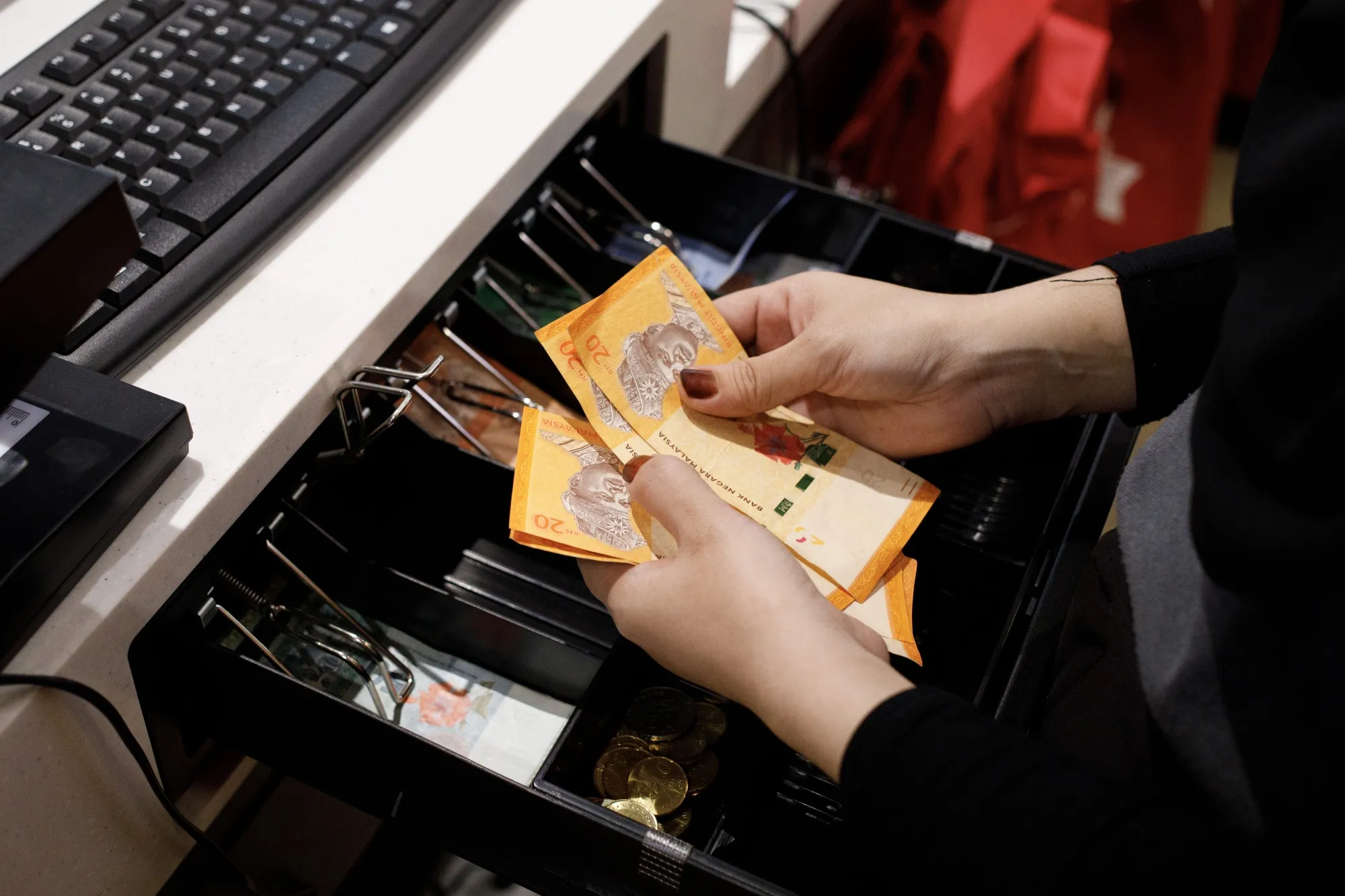
Emerging FX, Stocks Clock Weekly Loss as Tariff Concerns Mount
Emerging‑market currencies and equities fell steadily over the past week as escalating U.S. tariff threats heightened investor anxiety across global risk assets.
⚠️ FX Markets: Losses Mount as Dollar Strengthens.
An index of emerging‑market currencies dropped around 0.4% in a single session following President Trump’s renewed tariff announcements targeting BRICS-aligned economies. The Brazilian real slid nearly 0.9%, while Chilean and Colombian currencies also weakened. In India, the rupee closed at ₹85.80 per dollar on July 11, down roughly 0.5% for the week amid tariff jitters and weak equity and RBI data.
Emerging Equities Suffer
Global stocks mirrored currency weakness. The MSCI Emerging
Markets Index declined, while major Latin American markets—including Brazil’s
Bovespa—faced headwinds after the U.S. announced a 50% tariff specifically on
Brazilian goods, sending the real tumbling 2.8% in early trading. The Bovespa
dropped 0.6% and Brazilian equities such as Itau Unibanco, Bradesco, and
Petrobras saw notable losses.
Wall Street Eyes Tilt to Bonds Amid Divergent Signals
On Wall Street, mixed signals persisted as equities reached new record highs while bond markets priced in slower growth Reuters. The Dow lost 0.6% for the week, the S&P 500 fell 0.4%, and Nasdaq dropped roughly 0.2%, as trade war fears trimmed investor risk appetite .
🔎 What’s Driving the Drop?
President Trump’s plans to impose tariffs starting August 1—including a sweeping 35% tariff on Canadian imports and broad 15–20% tariffs on other trading partners—have rekindled uncertainty that markets had briefly shaken off earlier in April. Analysts warn that the unpredictability of U.S. trade policy poses significant downside risk to global growth, fueling stagflation concerns Reuters. Strategic investors who previously bet on a “Trump Always Chickens Out” rebound—dubbed the TACO trade—are now reassessing as the policy stance hardens MarketWatch.
🌍 Regional Outlook: Mixed Exposure
Goldman Sachs analysts suggest that exposure to U.S. revenue makes North Asian markets more vulnerable, whereas Southeast Asian markets and domestically oriented sectors (telecoms, utilities, banks) should be relatively insulated markets. In contrast, Brazil's heavy tariff surprise—though alarming—may have limited macro impact given its relatively low export share to the U.S.; however, its political overtones raise broader geopolitical stakes Investors.
💡 Investor Strategies Going Forward
Market strategists caution that further clarity on trade policy is crucial for stabilizing sentiment. Fixed income markets are signalling potential Fed easing ahead, even as equities remain buoyant on hopes for strong earnings and AI-led momentum . Institutional research suggests risk off positioning may be prudent in the near term, yet longer term investors might view current losses as opportunities to gradually re-enter risk assets .
📊 Weekly Snapshot
| Asset Class | Weekly Change | Key Drivers |
|---|---|---|
| Emerging‑market FX | Down ~0.4–0.9% | Tariff shocks, dollar strength |
| Brazilian real | Down ~2.8% | U.S. tariffs targeting Brazil |
| India rupee | Down ~0.5% | Trade uncertainty, weak equity data |
| EM equities (MSCI EM) | Decline | Growth concerns, geopolitical tensions |
| U.S. equities | Dow −0.6%, S&P −0.4%, Nasdaq −0.2% | Tariff headlines and hedged optimism |
In short, emerging-market currencies and stocks have suffered renewed losses due to fresh tariff threats, particularly targeting Brazil, Canada, and India. While global equities remain supported by optimism around corporate fundamentals, investor focus is shifting back toward trade risks and policy unpredictability.
Post a Comment