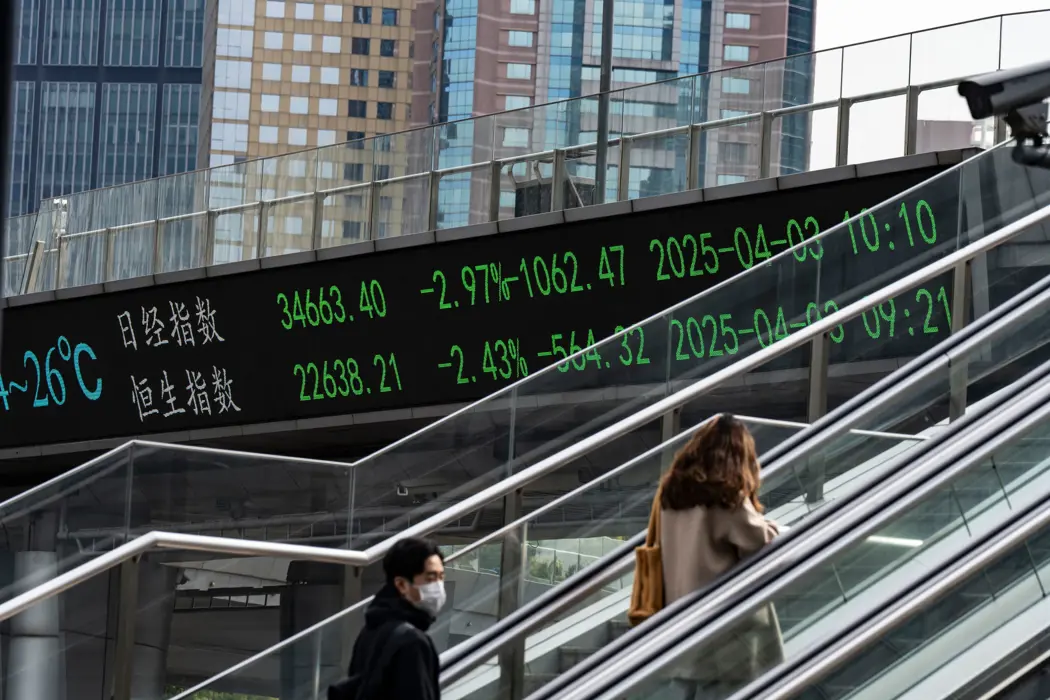
Global markets stumbled as rising geopolitical tensions in the Middle East and renewed hawkish signals from the U.S. Federal Reserve sparked a wave of investor caution. Equities dropped across major indices while oil prices jumped and safe-haven assets like gold and U.S. Treasuries saw renewed demand. The combined stress of potential regional conflict escalation and monetary policy uncertainty has created a jittery environment, reminding investors of how quickly sentiment can shift.
Geopolitical Tensions Weigh Heavily
The primary driver behind the decline in global equities was the escalating conflict in the Middle East. Reports of military escalations, retaliatory airstrikes, and heightened rhetoric between key regional powers stoked fears of a broader confrontation that could disrupt global oil supplies and trade routes.
Investors have become increasingly sensitive to geopolitical risk, particularly in a region that plays a pivotal role in energy production and transportation. Tensions involving Israel, Iran, and groups like Hezbollah and the Houthis in Yemen have created a complex and fragile situation. The possibility of further military engagement or proxy conflict has pushed oil prices higher, with Brent crude approaching multi-month highs. This surge in oil has reignited concerns over inflation, particularly as global supply chains are already under pressure from various regional disruptions.
Federal Reserve’s Hawkish Tone Shakes Confidence
Compounding the market unease was a fresh wave of commentary from U.S. Federal Reserve officials, indicating that interest rates may stay higher for longer than previously anticipated. While inflation has cooled from its 2022 peaks, recent data suggest that the final stage of disinflation may be more challenging to achieve. Core inflation remains sticky, and labor market strength continues to give the Fed room to maintain its restrictive policy stance.
Fed Chair Jerome Powell, in his latest remarks, reiterated the central bank’s commitment to restoring price stability, even if it means keeping borrowing costs elevated for an extended period. Other Fed officials echoed this sentiment, warning that premature rate cuts could risk reigniting inflation. These warnings pushed Treasury yields higher, especially at the short end, and weighed on tech stocks and other rate-sensitive sectors.
The futures market, which had been pricing in rate cuts as early as the third quarter, is now pulling back expectations. Traders are increasingly betting that any policy easing might not come until late in the year or even early 2026, depending on incoming data.
Market Reactions
The S&P 500 fell more than 1.2%, with the tech-heavy Nasdaq Composite down by nearly 1.5%, as high-growth sectors felt the brunt of the Fed’s messaging. Defensive stocks like utilities and consumer staples managed to post smaller losses or even slight gains, as investors rotated into safer corners of the market.
In Europe, the Stoxx 600 index also closed lower, weighed down by energy and industrial stocks. Asian markets followed the downward trend, with Japan’s Nikkei 225 and Hong Kong’s Hang Seng Index both ending in the red. Chinese equities remained volatile, reflecting a mix of weak domestic demand and broader global headwinds.
Currency markets saw the U.S. dollar strengthen, particularly against emerging market currencies, as investors sought safety and responded to the Fed’s tone. The Japanese yen and Swiss franc also gained, reflecting their status as traditional safe-haven currencies.
Oil and Commodities Surge
Oil markets responded immediately to the increased geopolitical tensions. Brent crude surged past $90 per barrel, while West Texas Intermediate (WTI) also saw significant gains. Markets are pricing in the potential for disruptions in Middle Eastern supply, particularly from Iran, Iraq, or the Strait of Hormuz, a key chokepoint for global oil transport.
Gold prices surged as well, rising above $2,350 an ounce, marking one of their strongest performances in months. The precious metal's gains reflect a flight to safety by investors spooked by both war risk and central bank uncertainty. Other commodities, such as copper and wheat, saw modest increases as well due to broader macroeconomic anxiety.
Bond Market Reaction
Bond yields moved higher in response to the Fed’s hawkish tone, especially at the front end of the curve. The 2-year Treasury yield climbed to 5.0%, while the 10-year held above 4.3%. The yield curve remains inverted—a classic recession warning—suggesting that investors still expect economic slowing ahead, even if the Fed maintains its restrictive stance.
Demand for longer-dated Treasuries remained steady, however, as geopolitical concerns increased the attractiveness of U.S. government debt. This created some divergence between short- and long-term rate expectations, further complicating the policy outlook.
Investor Sentiment Deteriorates
Investor sentiment, already cautious amid high valuations in some sectors, turned sharply risk-off. The CBOE Volatility Index (VIX)—Wall Street’s fear gauge—spiked above 20 for the first time in weeks, reflecting the rising anxiety in the marketplace.
Equity flows turned negative, with fund managers trimming exposure to cyclical sectors and moving into cash or defensive names. Many analysts now warn that if tensions in the Middle East escalate further or if inflation surprises to the upside again, another leg lower in risk assets could materialize.
Outlook Remains Clouded
The path forward remains murky. Investors face a dual threat: an unstable geopolitical landscape and an unpredictable Federal Reserve. Both of these forces feed uncertainty and make it harder to forecast market trends with confidence.
While corporate earnings in recent quarters have held up relatively well, margin pressures may mount again if inflation stays stubborn or input costs like oil rise significantly. Additionally, global growth is showing signs of cooling, especially in Europe and China, adding further complexity.
Central banks outside the U.S. are also grappling with similar dilemmas. The European Central Bank and Bank of England have signaled caution, and markets are closely watching their responses to changing inflationary dynamics. Meanwhile, China’s monetary easing efforts are yet to bear fruit in a meaningful way, keeping investors wary of emerging markets.
Final Thoughts
The decline in global equities this week illustrates just how sensitive markets remain to a combination of macroeconomic and geopolitical shocks. While short-term pullbacks are not unusual, the confluence of a potential Middle East conflict and sustained Fed hawkishness may keep volatility elevated for the foreseeable future.
Investors will be closely watching upcoming inflation reports, labor market data, and any further developments in the Middle East. Central bank commentary will continue to be a key driver, and any escalation in geopolitical hotspots could swiftly change the market calculus.
For now, caution seems to be the dominant sentiment. Risk assets may struggle to regain momentum until greater clarity emerges on both inflation and international stability.
Post a Comment